Our Land, Our Campus: Environmental Technology Program Fall Camp
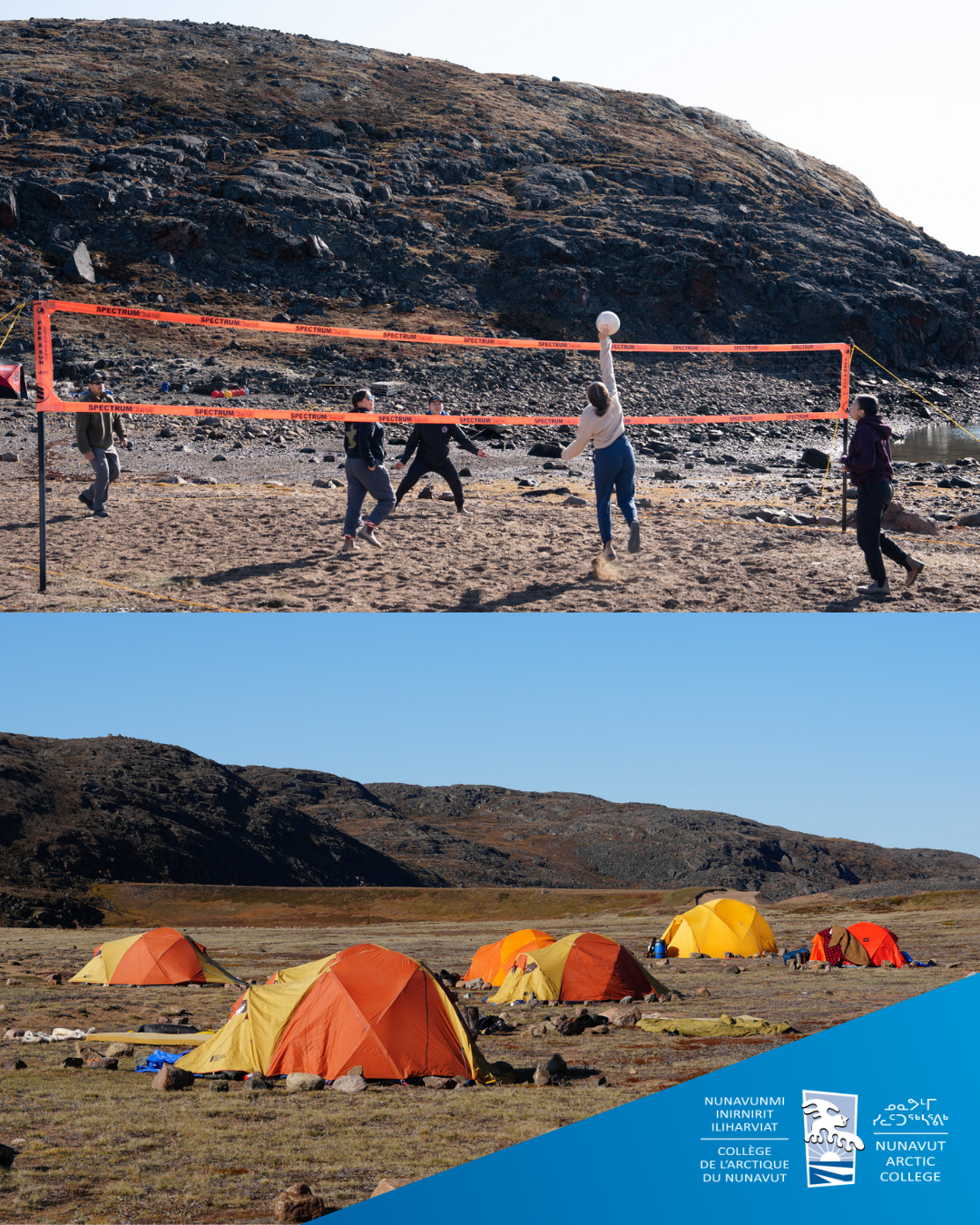
This fall, the Environmental Technology Program (ETP) traded classrooms for the great outdoors at their annual Fall Camp, where learning comes with fresh air, muddy boots, and lots of laughs with staff and classmates. Fall Camp is a staple experience for incoming and returning students to look forward to every year.
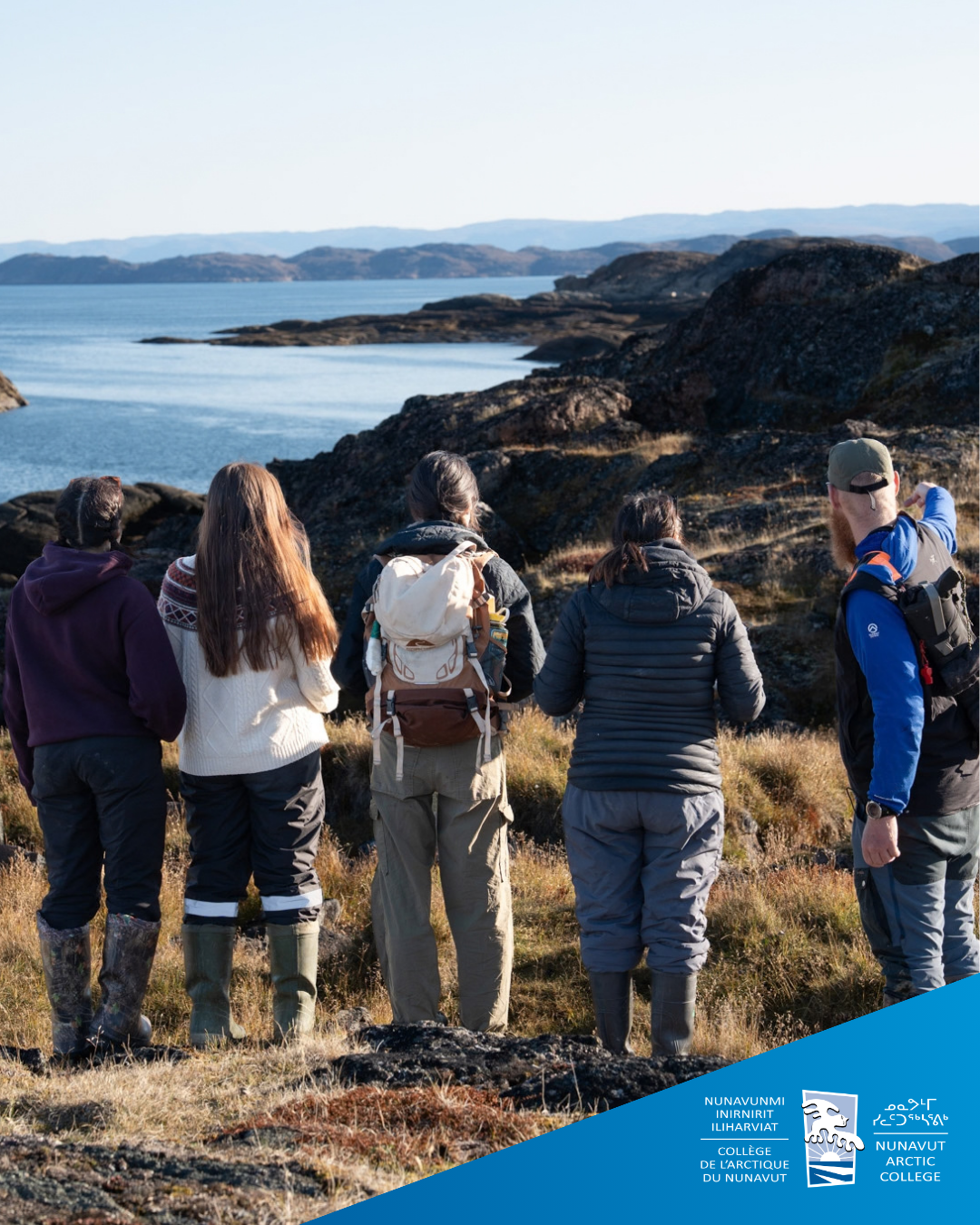
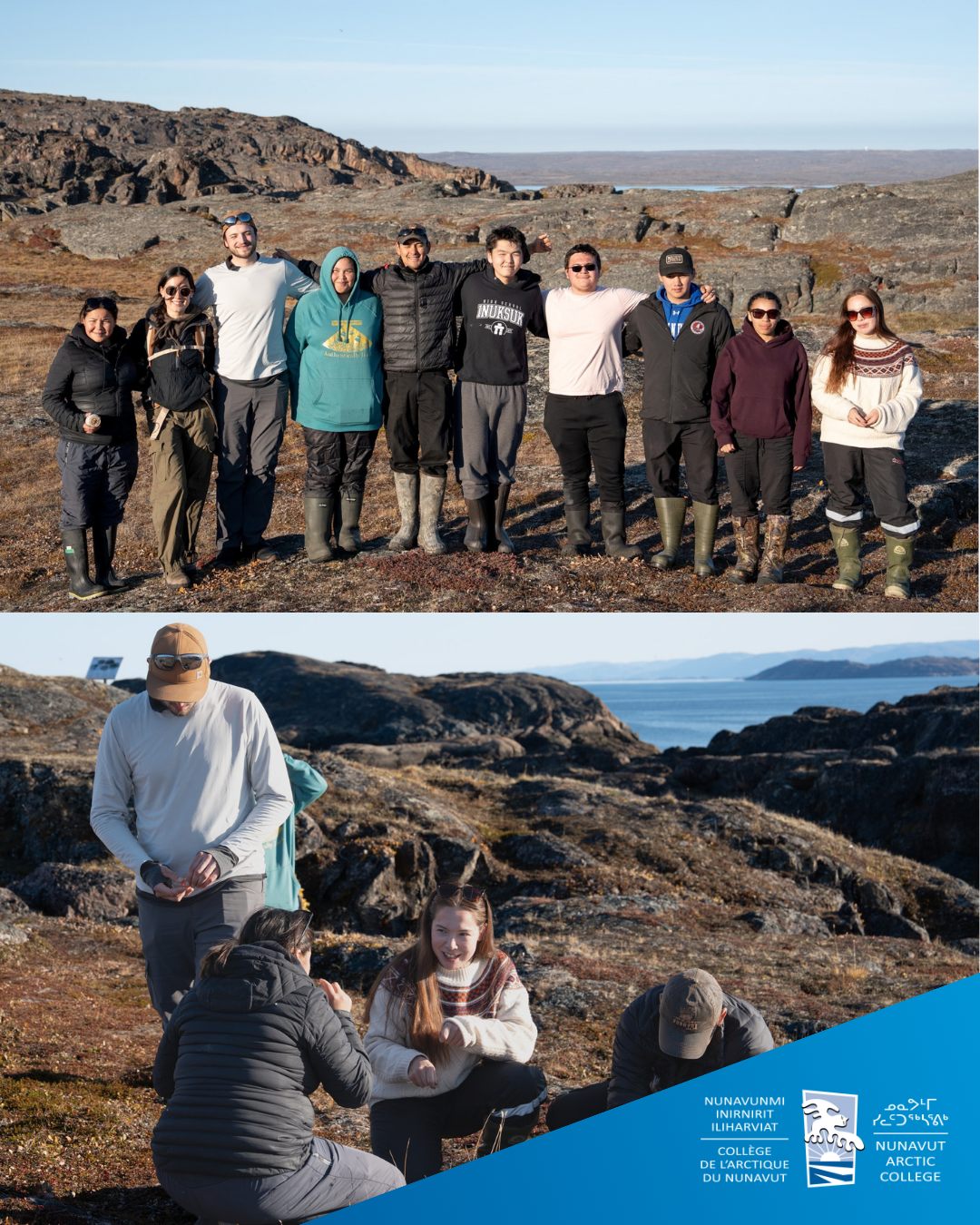
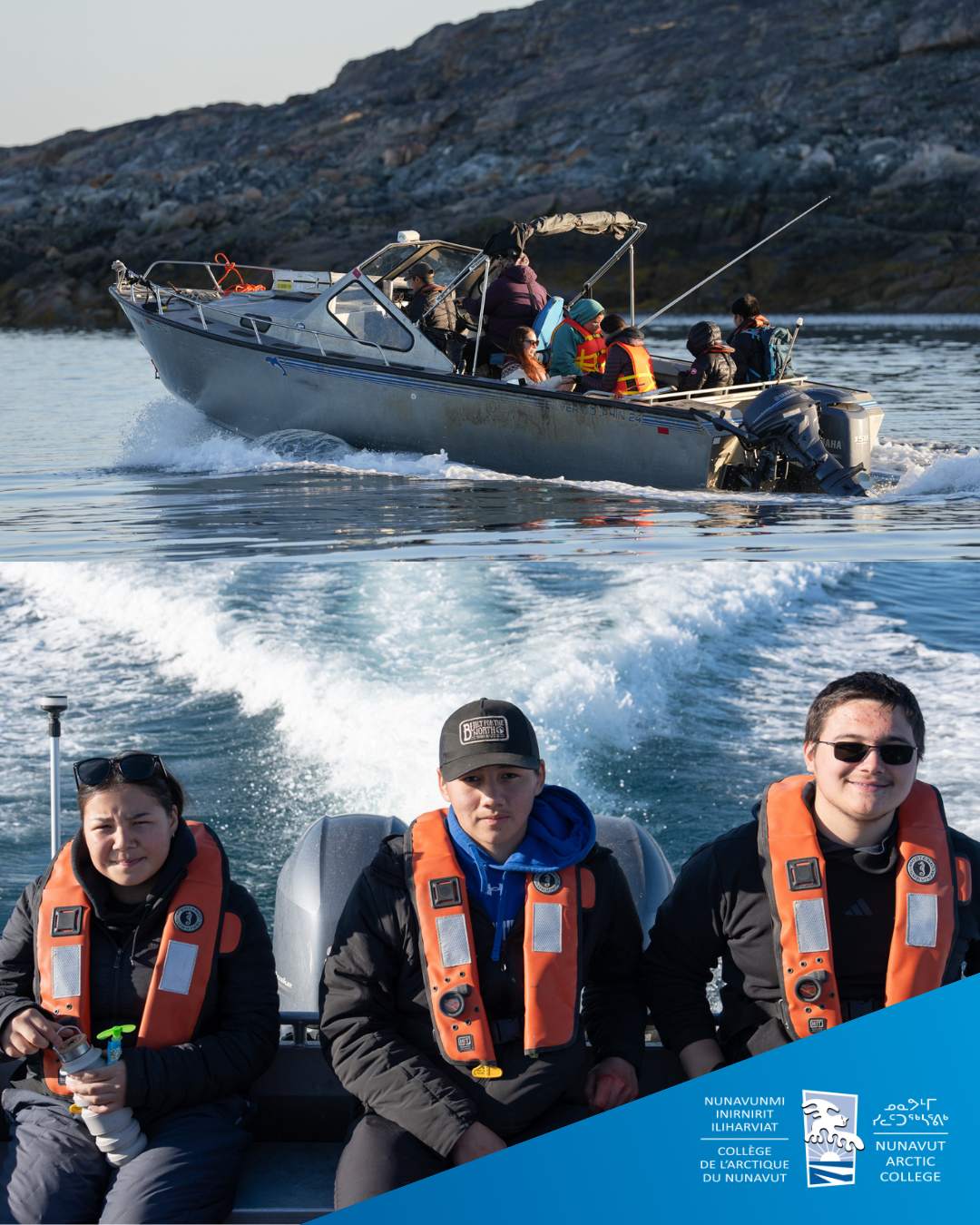
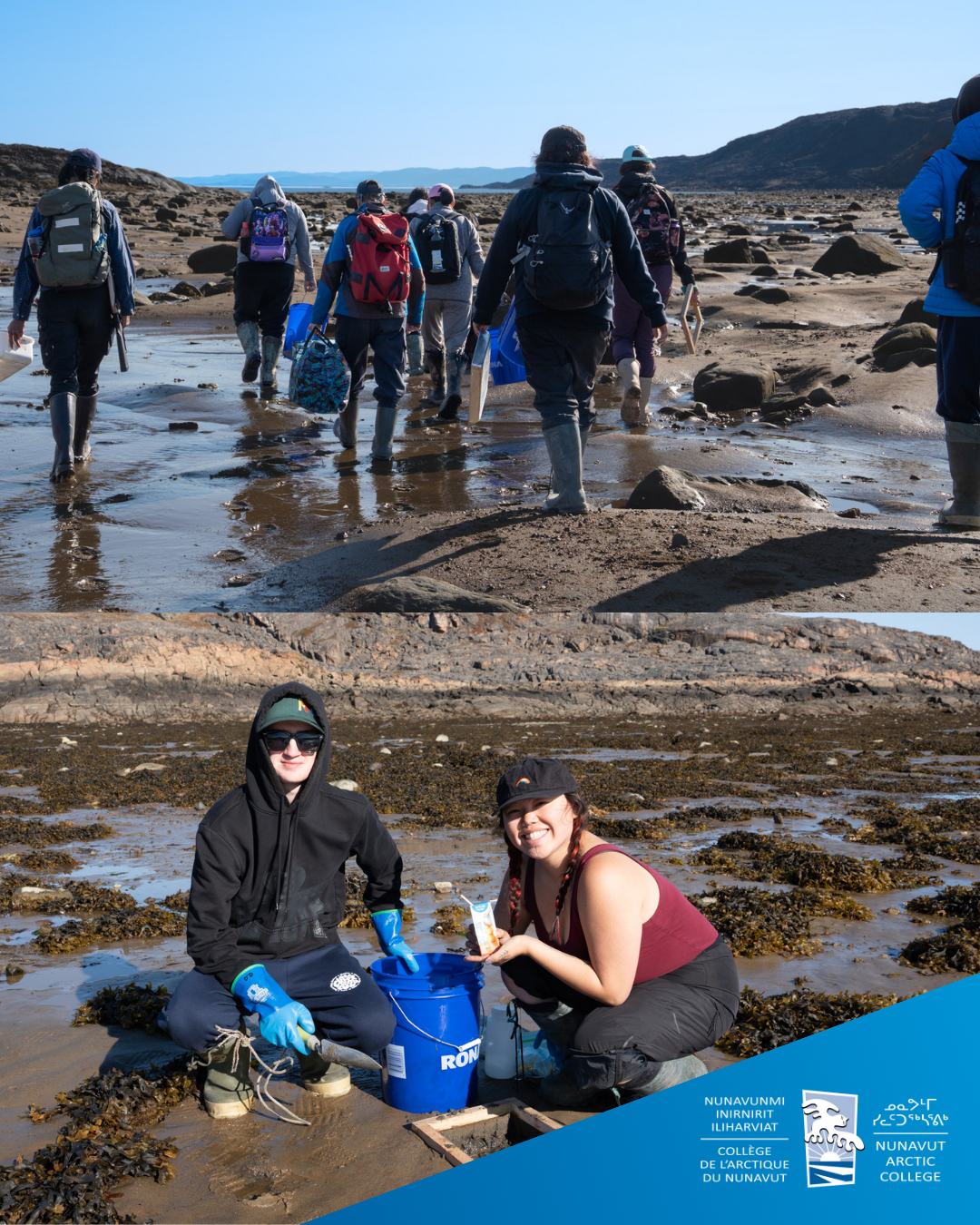
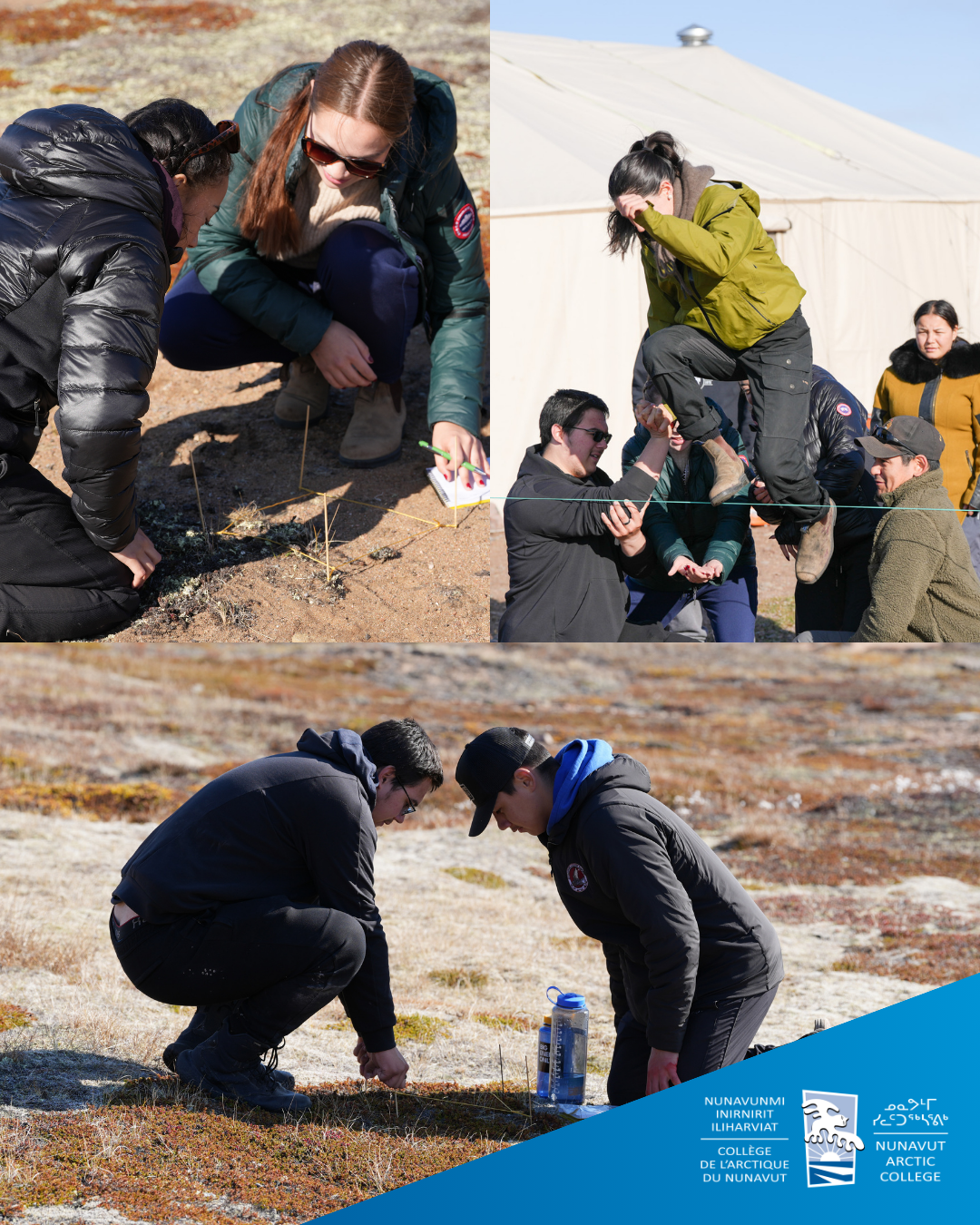
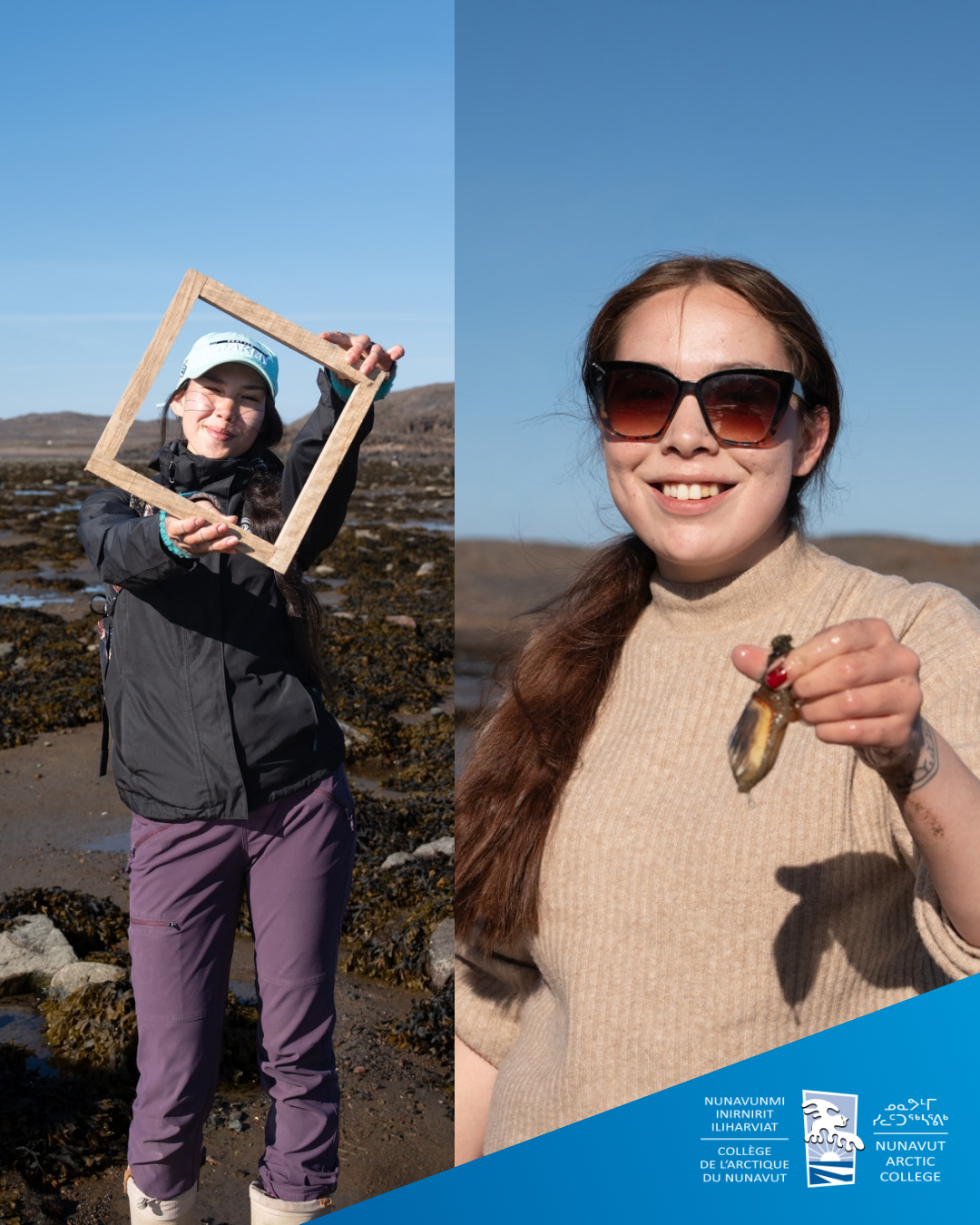
At camp, students jumped into all kinds of hands-on adventures: clam digging, weather-watching, boat safety, and running the day-to-day camp routine. They also collected a multitude of berries, helping keep a long-running tradition. ETP learners have collected the Berry Productivity dataset every Fall Camp since 2009. Fun fact: it’s one of the longest-running datasets of its kind in Canada and the first to show big year-to-year changes in crowberry production. This dataset is an important contribution to understanding how climate change is affecting Nunavut’s land ecosystems.
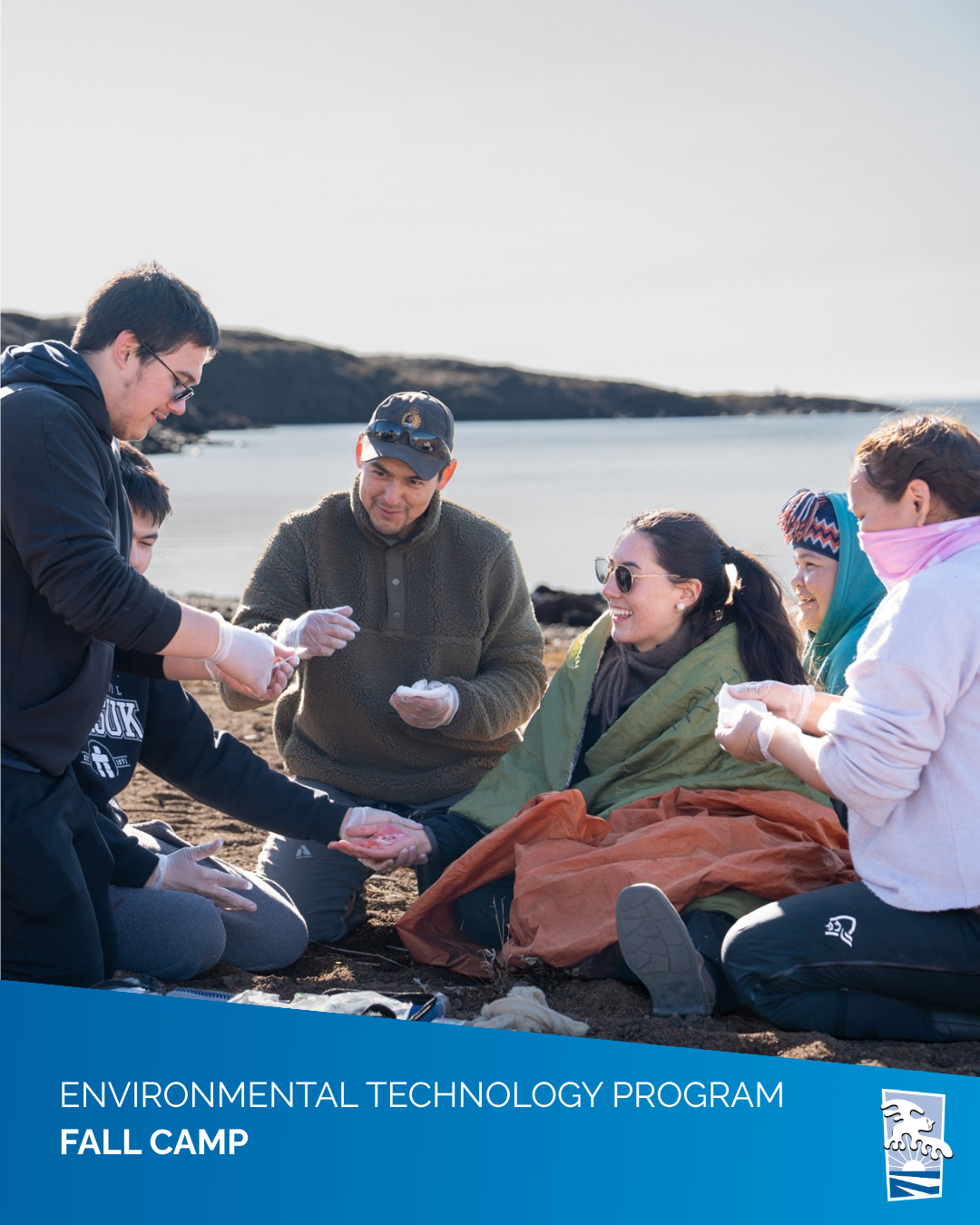
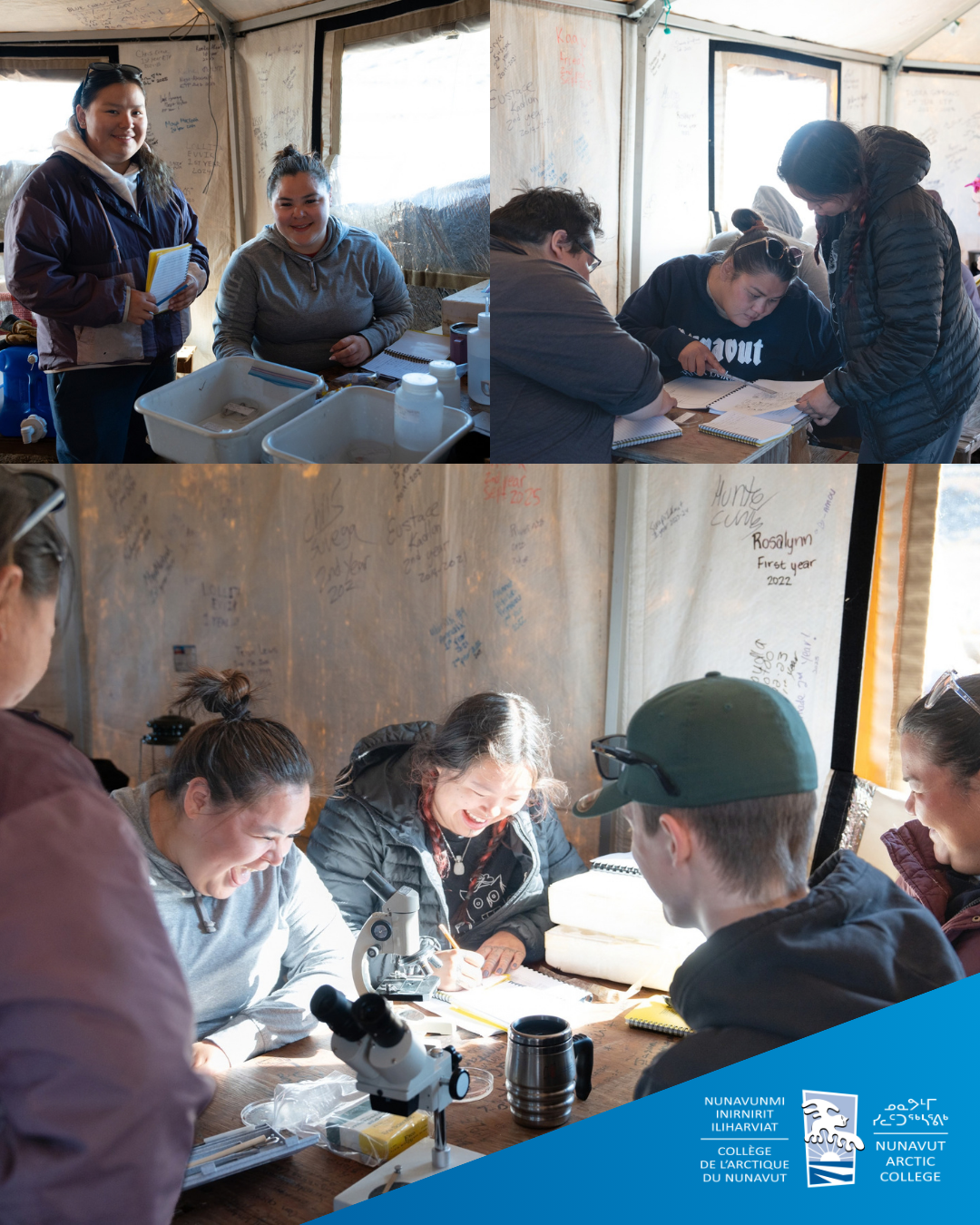
First-year students earned their Wilderness First Aid certification, building confidence in emergency response, safety, and preparedness—skills that are essential for fieldwork in any environment. Furthermore, students learned how to properly set up and operate a large group camp meant for scientific field research.
Second-year students completed their Marine Biology course, exploring both the intertidal zone and open water. They practiced real sampling techniques such as pulling nets to see what was living in the water column and using a dredge to collect and examine organisms and materials from the seafloor. The course was led by marine biologist and former ETP instructor Trish Lewis, who helped students build practical field skills and deepen their understanding of local aquatic ecosystems. A highlight of the camp was a day trip to Qaummaarviit Territorial Park to explore archaeological remains like sod houses and many tools.
Fall Camp was a perfect reminder of what makes ETP special: learning that’s collaborative, practical, and grounded in real experiences. We’re proud of the effort students put in and the care they showed for each other and the land. Land-based learning is an essential part to Nunavut Arctic College’s commitment to providing its students an opportunity to learn all it can from the territory.
To learn more about Nunavut Arctic College and its programs visit: Newsletter — Nunavut Arctic College
###
Media Contact:
Kara Hoang
Manager, Marketing, Communications and Recruitment
Nunavut Arctic College
867-979-7318
kara.hoang@arcticcollege.ca